

When the microphone comes without a rulebook
Known voices, unknown interests

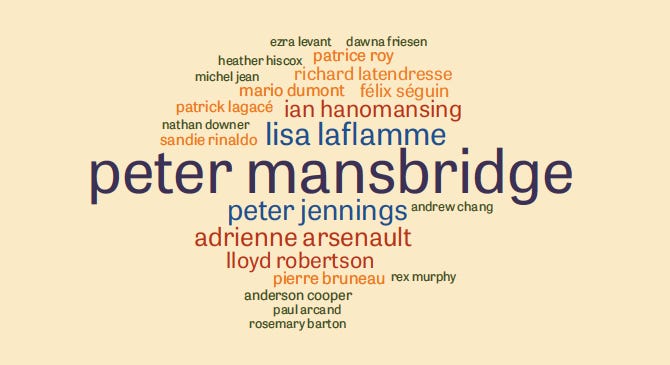
Peter Mansbridge got in hot water over submarines last week. The issue was eventually addressed. But what led to it is far from resolved.
Mansbridge is the former chief correspondent and anchor of CBC News’ flagship program The National, which he hosted for 30 years before retiring in 2016. A widely respected journalist who has carefully guarded his image. Mansbridge once said in an interview: “I am a journalist, that’s the way I want to be seen, not as a TV celebrity.”
This hasn’t stopped him from voicing the character Peter Moosebridge, a news anchor moose, in Disney’s animated film Zootopia. In 2024, he has been appearing in a television ad campaign for Home Equity Bank, which takes aim at the idea that retirement is a time to “hang it all up.” According to the release, Mr. Mansbridge was appointed Strategic Communications Consultant for HomeEquity Bank.
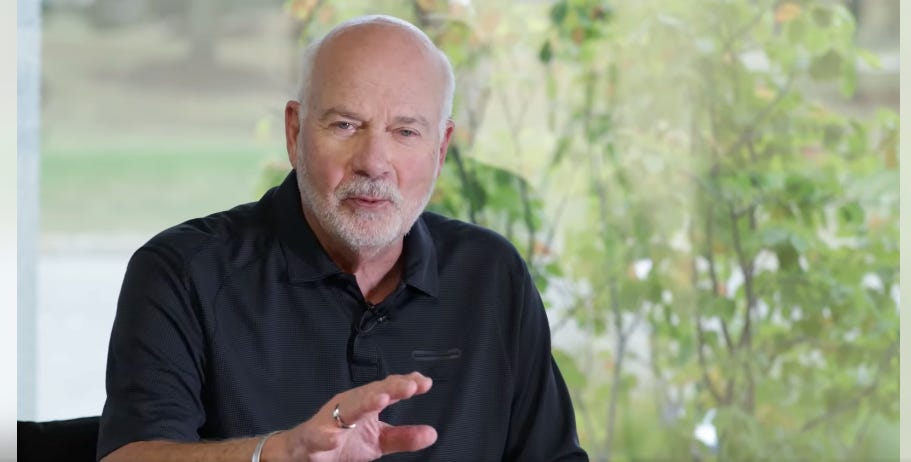
Since retiring from the CBC, Mr. Mansbridge has been busy with all kinds of projects and initiatives. All of which makes him the perfect pitch person for CHIP Reverse Mortgages. One of his most high-profile projects is the excellent The Bridge daily podcast, which he hosts and is published across a number of platforms, including SiriusXM.
In a recent episode, Mr. Mansbridge interviewed Pierre Poilievre. The man who promised, among other things, to defund the CBC. Mansbridge asked Poilievre for his view on two of the most significant military procurement decisions the federal government will soon be making: fighter jets and submarines.
“European or Korean subs?” Mansbridge asked. “That’s a good question. I don’t have an answer for you right now, “ said Poilievre. “I know the government is doing a very careful analysis of the various capabilities and costs. And ... like the government, I’m not ready to make a decision on that one. But we do need submarines, absolutely, a very powerful fleet, particularly to secure the Arctic.”
The excellent interview was posted on The Bridge on Monday, March 9th. Later that day, the CBC published a story titled “Peter Mansbridge didn’t tell Pierre Poilievre, podcast audience about work for South Korean firm.” It stated what anyone watching television these days would have heard: “Mansbridge voiced a new ad for Hanwha Ocean, which is vying to build submarines for Canada.”
Responding to an email from the CBC, Mr. Mansbridge said he did not immediately tell his podcast audience. “For full transparency, I should have at that time and I will this week,” Mansbridge wrote.
He addressed the matter in a podcast episode released the next day: “I probably should have mentioned that — not probably, I should have. I should have been more transparent about that,” Mansbridge said, after telling listeners that he’s been doing “some contract work for the Korean submarine manufacturer.”
Good. And yet this raises a much larger question.
Disclosure is routine in traditional journalism. It’s hygiene. But in the wild west of podcasting, this hygiene tends to be skipped.
This matters because when you listen to Peter Mansbridge, you’re still listening to someone you associate with the CBC. And someone who rightly draws from that notoriety and trust.
That trust doesn’t evaporate because the platform changed. Nor should the standards.
This isn’t without precedent in other industries. In the marketing world, the explosion of influencer culture created a similar problem. Nobody knew who was being paid for what. So, the industry established clear disclosure requirements to ensure the audience knew what they were hearing. It was a pragmatic measure, not a punitive one. And it protected the entire ecosystem’s credibility.
The political industry needs to think the same way. Not identical rules, but the same principle: clear, consistent disclosure of financial interests and affiliations, so the audience knows what it’s actually listening to.
Without transparency, audiences stop trusting anyone. And at a time when trust in media is already fragile, that’s a problem none of these voices can afford.
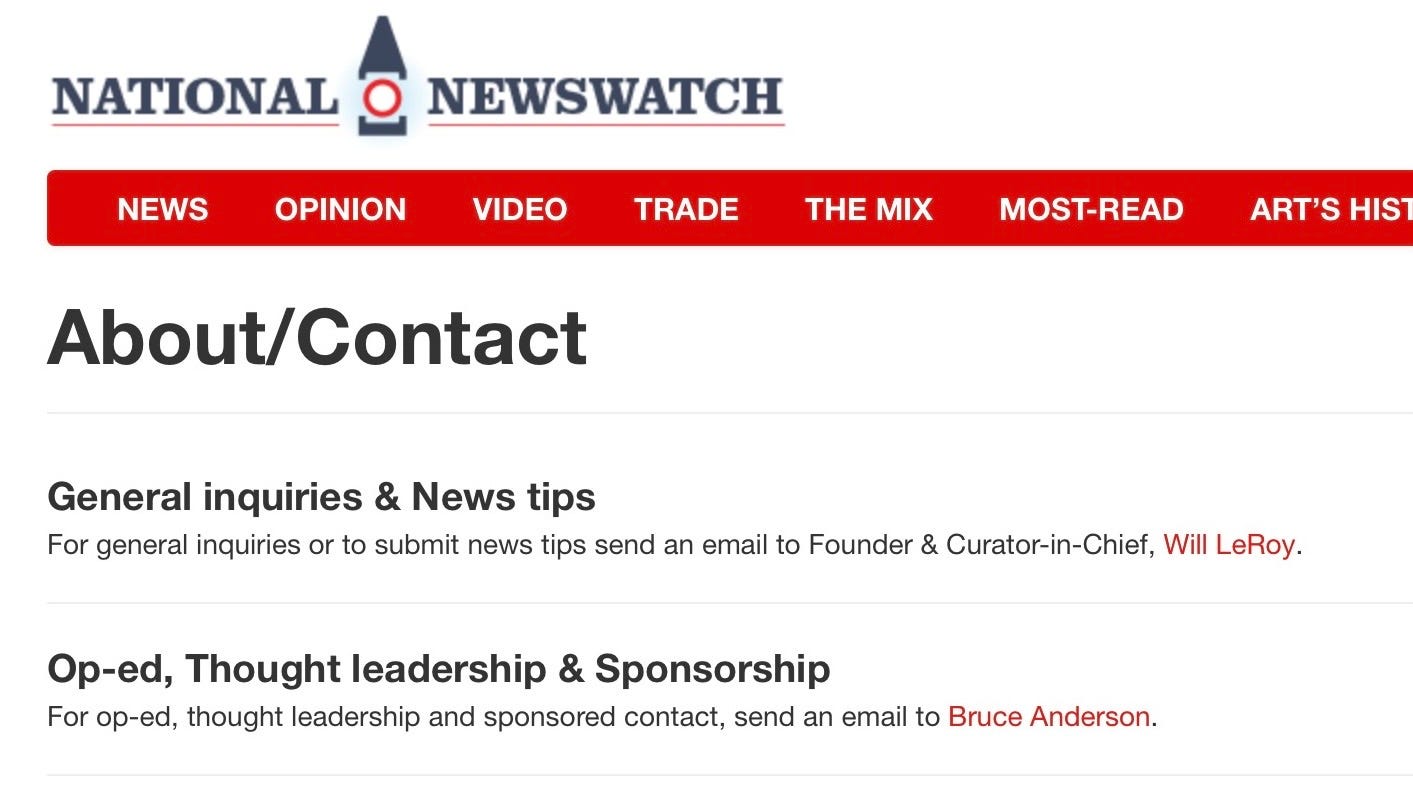
On a related note, while Peter Mansbridge can work for any clients who want to hire him, he doesn’t appear to actively advertise his advisory services. He does, however, promote his weekly newsletter The Buzz on National Newswatch — the go-to Ottawa news aggregator curated by Will LeRoy and essential reading for anyone with an interest in federal politics.
According to reporting by The Hill Times, Bruce Anderson invested in National Newswatch back in 2013. Anderson is Chief Strategy Officer, Partner and Co-Founder of spark*advocacy, a public affairs boutique. He may be a silent investor today, but following the site’s redesign, he was for a time responsible for op-eds, thought leadership and sponsorship
Anderson was a longtime member of the CBC’s At Issue panel, stepping down in 2015 when his daughter was appointed to Justin Trudeau’s PMO — a textbook conflict of interest, handled correctly.
He has since rejoined the band, so to speak, appearing every Friday alongside Mansbridge and Chantal Hébert on Good Talk. His analysis is sharp, his knowledge deep. Hébert’s encyclopedic grasp of Canadian politics makes for genuinely compelling radio. It’s worth noting, however, that Anderson briefly stopped appearing on Good Talk while working on Mark Carney’s leadership campaign.
Peter Mansbridge and Bruce Anderson are not alone in navigating the media/polling/strategy/punditry ecosystem where lines constantly blur. The point isn’t that any of this is improper. The point is that the audience has no way of knowing when it is, until a more rigourous standard is established for those with massive influence and a microphone.
It's unfortunate that Mr. Mansbridge would be so careless as to have forgotten or opted against what are good transparency measures. The media is fragile enough as it is, with institutional trust in brittle condition. It's the least he could do, as he meanders through his winter years, if he's not inclined to leave the place better than he found it. The following generations deserve better.